Physical Address
304 North Cardinal St.
Dorchester Center, MA 02124
Physical Address
304 North Cardinal St.
Dorchester Center, MA 02124


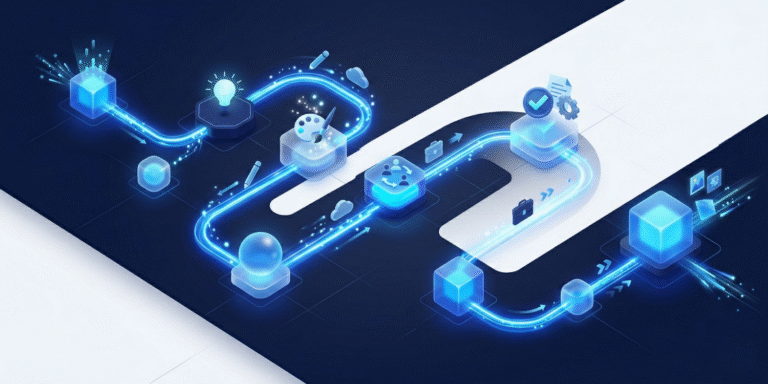
At some point, almost every small agency hits the same wall. Client volume is growing, the team is stretched, and the instinct is to hire — another designer, a second account manager, a project coordinator to stop things falling through…
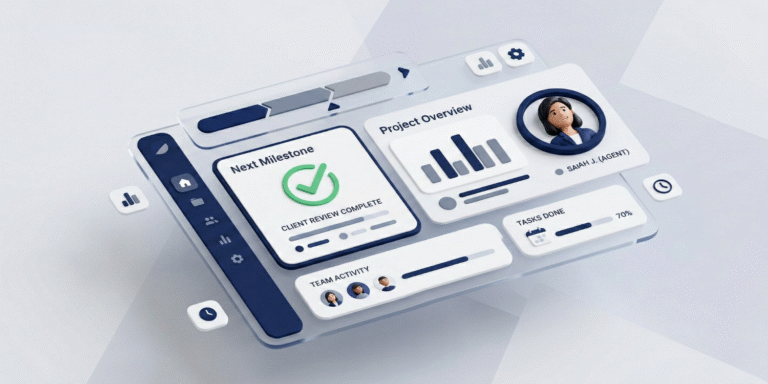
Most small agency owners have tried building a project dashboard at some point. They set up a ClickUp overview, a Notion table, maybe a Google Sheets tracker with color-coded cells. Then, three weeks later, it’s half-populated, nobody’s updating it, and…
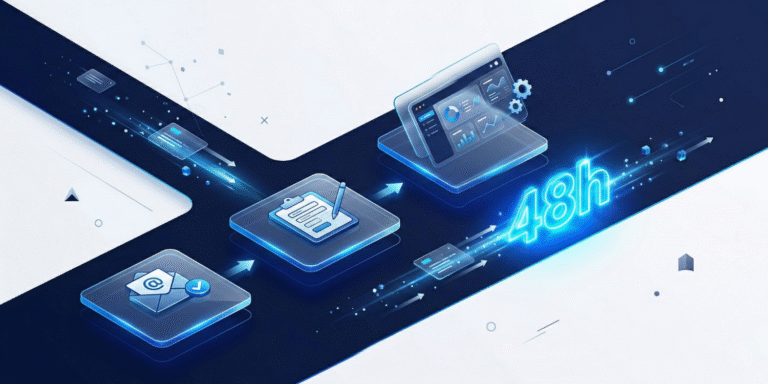
The contract is signed. Now what? For most small agencies, the honest answer is: a flurry of back-and-forth emails, a kickoff call that gets rescheduled twice, and a client who spends their first two weeks wondering if they made the…

Most small agencies don’t collapse because of bad work. They collapse because of bad operations — tasks falling through cracks, client expectations mismanaged, and a Slack thread that passes for a project management system. The reflex fix is to hire…
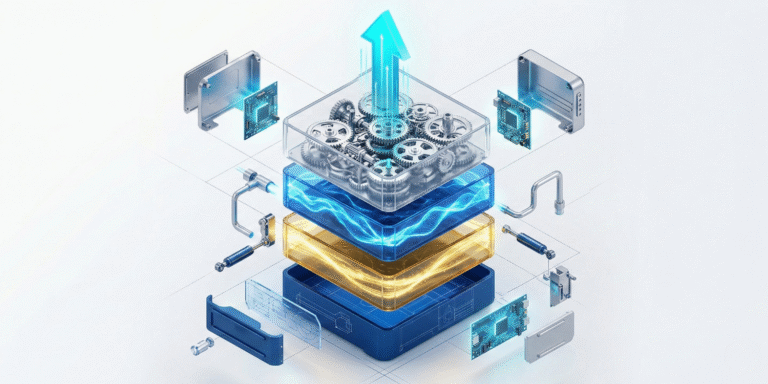
Most startup operations checklists are written for people registering a business for the first time. They cover EINs, business bank accounts, and LLC filings — useful once, then irrelevant. What they don’t cover is the operational layer that determines whether…

Here’s a pattern that plays out in almost every small agency at some point: a client asks for a status update. You open Slack, scroll back through three channels, check a Google Drive folder, and piece the answer together from…
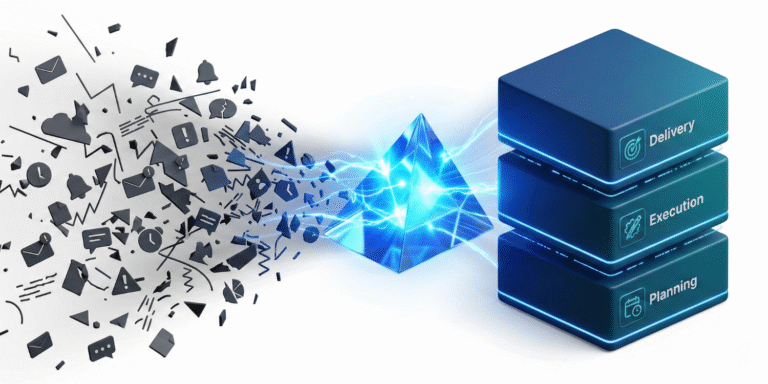
Most solo founders don’t have a productivity problem. They have a planning problem. They end the week having responded to everything, shipped nothing meaningful, and wondered where 40 hours went. In our experience working with lean agency operators, the ones…

Quick Answer: Telecom customer journey orchestration is a profit system—not a CX slogan. What changes in 2026: customers expect speed, clarity, and continuity across channels—so journeys must be event-driven, not campaign-driven. Fastest ROI levers: optimize time-to-activation (onboarding) and billing trust…

Quick Answer: A local AI privacy audit is a repeatable way to prove no sensitive data leaves your network — using a baseline packet capture (PCAP), egress logs, and process attribution. In this guide, you’ll build a lightweight “Evidence Pack”…

Quick Answer (2026): The Tesla P40 is worth it only if you need 24GB VRAM on a tiny budget for batch / offline local inference—and you’re okay with DIY cooling + older software stacks. If you need plug-and-play or low-latency…